



Complete Vitamin D Guide: D3 vs D2
Living somewhere sunny but spending most daylight hours indoors? Many people in Bahrain and the Gulf are surprised to learn how little sun their skin actually sees. This guide explains vitamin D forms, units, daily amounts, safe upper limits and how to compare labels with confidence.
What vitamin D is and what it does
Vitamin D is a fat-soluble vitamin. Unlike most nutrients, your body can make it: when UVB rays from sunlight reach bare skin, a cholesterol-based compound is converted into vitamin D3. The liver and kidneys then turn it into the active form the body uses. Only a handful of foods contain meaningful amounts, which is why vitamin D is one of the most commonly chosen single-nutrient supplements.
Vitamin D works closely with calcium and phosphorus. The roles it is officially recognised for in the European Union are listed word for word in the authorised claims box below, so you can see exactly what can and cannot be said about it.
Forms you'll see on labels
| Form | What to know |
|---|---|
| Vitamin D3 (cholecalciferol) | The form your skin makes. Most supplements use D3, usually sourced from lanolin (sheep's wool). |
| Vegan vitamin D3 | D3 made from lichen. Look for a vegan mark if you avoid animal-derived ingredients. |
| Vitamin D2 (ergocalciferol) | Plant- or yeast-derived. Both D2 and D3 raise blood levels, though D3 tends to keep them raised for longer. |
| Oil drops and softgels | Vitamin D dissolved in oil. Drops make small or flexible amounts easy; check how many µg are in one drop. |
| Gummies and chewables | Convenient, but they contain sugar or sweeteners and are easy to over-consume, so keep them out of children's reach. |
| D3 with K2 | Combination products pairing vitamin D3 with vitamin K2 (often MK-7). Read our vitamin K2 guide if you take blood-thinning medicine. |
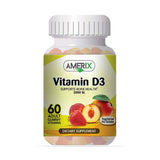
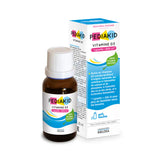
Examples from our shelves for some of the forms in the table above.


How much vitamin D: NRV, typical amounts and the upper limit
Vitamin D is labelled in micrograms (µg or mcg) and often in International Units (IU) too. The conversion is simple: 1 µg = 40 IU, so 10 µg is 400 IU and 25 µg is 1,000 IU.
- EU NRV (the reference used for %NRV on labels): 5 µg (200 IU) a day.
- Common supplement amounts: 10 µg (400 IU), 25 µg (1,000 IU) and, in some products, 50–75 µg (2,000–3,000 IU) per serving.
- Upper limit (EFSA): 100 µg (4,000 IU) a day for adults and children aged 11 and over, including during pregnancy and breastfeeding; 50 µg a day for children aged 1–10; 25–35 µg a day for infants. This counts vitamin D from all sources, including fortified foods and every supplement you take.
Food sources include oily fish such as salmon, sardines and mackerel, egg yolks, and fortified foods like some milks, yoghurts and breakfast cereals. Higher-strength products are not automatically better; if you are unsure what amount suits you, a blood test arranged by your doctor gives a clear picture. Browse our vitamin D collection to compare strengths side by side.
Who should check with a doctor or pharmacist first
- Pregnancy and breastfeeding: vitamin D is often included in pregnancy multivitamins, so check you are not doubling up with a separate product.
- Children and babies: upper limits are lower. Follow the age on the pack and ask a doctor or pharmacist before giving drops or gummies.
- Medicines: thiazide diuretics taken with vitamin D may raise blood calcium too high; steroids such as prednisone can lower vitamin D levels; orlistat can reduce how much vitamin D the body takes up; and high-dose vitamin D may affect how some statins work.
- Medical conditions: anyone with a condition affecting calcium levels, the kidneys or the parathyroid glands should get personal advice before supplementing.
- Prescribed high doses: if your doctor has prescribed a weekly or monthly dose, do not add another vitamin D product without asking.
How to read a vitamin D label
- Find the serving size. "Per serving" may mean two gummies or one drop. Work out the amount per tablet or drop if you plan to take less.
- Check µg and IU. Make sure the two numbers match the 1 µg = 40 IU rule; a 1,000 IU product should say 25 µg.
- Read the %NRV. A product showing 500% NRV contains 25 µg, five times the 5 µg reference. A high %NRV is common for vitamin D and still well within the EFSA upper limit, but add up all your products.
- Look for the form. "Cholecalciferol" means D3; "ergocalciferol" means D2.
- Count servings per pack. Drops can contain hundreds of servings, so a small bottle may last many months.
Bahrain and GCC notes
Strong sunshine does not always translate into vitamin D. Long hours in air-conditioned offices and cars, covering clothing, sunscreen and avoiding the midday heat all reduce the UVB that reaches the skin, and people with darker skin make less vitamin D from the same exposure. Because vitamin D is fat-soluble, many people take it with a meal that contains some fat; during Ramadan, suhoor or iftar both work. Store gummies and oil drops below 25°C and never leave them in a parked car, where cabin temperatures quickly soften gummies and can degrade vitamins. See the full range in our vitamin D collection.

Reading a real label
AMERIX Vitamin D3 1000 IU, 60 Gummies| On the label | What it means |
|---|---|
| 2000 IU (50 µg) per 2 gummies | IU and µg measure the same thing: 40 IU = 1 µg |
| 1000% NRV | 50 µg against the 5 µg reference intake |
| Vitamin D3 | The cholecalciferol form |
| Half the adult upper limit | EFSA sets 100 µg (4,000 IU) a day for adults |
| Gelatine-free, vegetarian | Check this line if you avoid gelatine |
- Vitamin D contributes to the maintenance of normal bones
- Vitamin D contributes to the maintenance of normal muscle function
- Vitamin D contributes to the normal function of the immune system
- Vitamin D contributes to normal absorption/utilisation of calcium and phosphorus
- Vitamin D contributes to the maintenance of normal teeth
- Vitamin D contributes to normal blood calcium levels
Applies to products that provide at least 15% of the NRV per daily portion (a 'source of' the nutrient).
Products with Vitamin D
Always read the label and check the amount per serving.
 Known NutritionKnown Nutrition Hair, Skin and Nails, 60 GummiesBHD16.500
 Known NutritionKnown Nutrition Essentials Bundle: Magnesium and Vitamin DBHD18.590
 Known NutritionKnown Nutrition Vitamin D Gummies 2-Pack 25 µg (1000 IU), 2 x 60 GummiesBHD14.080
Frequently asked questions
Is D3 better than D2?
Both forms raise vitamin D levels in the blood. D3 tends to keep levels raised for longer, which is why most supplements use it, but either can be suitable.
How do I convert IU to µg?
Divide the IU figure by 40. For example, 1,000 IU equals 25 µg and 400 IU equals 10 µg.
Should I take vitamin D with food?
Vitamin D is fat-soluble, so many people take it with a meal that contains some fat. Choose a time you will remember each day.
Is 1,000 IU a day too much?
For adults, 1,000 IU (25 µg) is a common supplement amount and well below the EFSA upper limit of 4,000 IU (100 µg) a day from all sources. Ask your doctor if you take other vitamin D products.
Can I take vitamin D during Ramadan?
Yes, many people simply move it to suhoor or iftar. Taking it with a meal that contains some fat is a practical choice.


