



Elderberry: Syrups vs Gummies
Reaching for an elderberry syrup or gummy when the season changes? Here is what the label is actually telling you: which part of the plant is used, how extracts are measured, why raw berries are unsafe and how combinations with vitamin C or zinc work. No health claim for elderberry is authorised in the EU.
What elderberry is
Elderberries are the small, dark purple fruits of the black elder tree, Sambucus nigra, which grows across Europe and parts of Asia and North Africa. The berries are rich in anthocyanins, the pigments that give them their deep colour. Elderberries have long been cooked into syrups, jams and cordials.
A small number of studies have looked at elderberry during colds and flu. A 2021 systematic review rated the evidence as low or very low certainty, so no firm conclusions can be drawn. No health claim for elderberry is authorised in the EU, so this guide covers forms, safety and labels only. Elderberry is often sold as chewables in our gummies range.
Forms you'll see on labels
| Form | What to know |
|---|---|
| Black elderberry extract | Concentrated berry extract, sometimes with a stated ratio or anthocyanin percentage. |
| Elderberry juice concentrate or syrup | Cooked, processed berries. Syrups usually contain added sugar or honey. |
| Gummies | Convenient chewables, often with sugar or sweeteners. Many combine elderberry with vitamin C, zinc or echinacea. |
| Elder flower (Sambuci flos) | A different part of the plant, used in teas. The European Medicines Agency has assessed elder flower as a traditional herbal medicine, separately from the berries. |
| Elderberry as a colour | Some gummies list elderberry concentrate only as a natural colouring. This is not a meaningful amount of elderberry. |
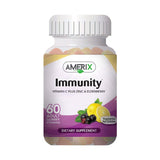
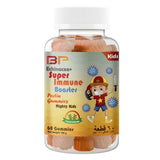
Examples from our shelves for some of the forms in the table above.
How much: amounts and food sources
- NRV: none. Elderberry is not a nutrient.
- Upper limit: no EFSA upper limit has been set.
- Typical amounts: products vary widely and are not standardised in the same way, so compare extract weight, ratio and anthocyanin content where stated, and follow the label dose.
- Duration: most studies used elderberry for short periods of a few days. Little is known about long-term daily use.
- Food sources: cooked elderberry jams, syrups and cordials. Never eat raw or unripe elderberries, or the leaves and stems: they contain substances that release cyanide and can cause nausea, vomiting and severe diarrhoea. Cooking and commercial processing remove this risk.
Who should check with a doctor or pharmacist first
- Pregnancy and breastfeeding: little is known about the safety of elderberry at these times, so ask your doctor first.
- Children: some elderberry gummies are made for children from a certain age, others for adults only. Check the age on the pack and ask a doctor or pharmacist. Keep gummies out of reach, as children may mistake them for sweets.
- Medicines that affect the immune system: if you take immunosuppressants, for example after a transplant or for an autoimmune condition, ask before using elderberry.
- Diabetes: syrups and many gummies contain sugar, so check the carbohydrate content.
- Anyone with an illness that is severe or not improving should see a doctor rather than rely on supplements.
- People taking regular prescription medicines.
How to read the label
- Is elderberry an active ingredient? Check whether elderberry extract is listed with an amount, or only appears in the ingredients as a colour.
- Extract weight and ratio: 100 mg of a 10:1 extract is not the same as 100 mg of dried berry.
- Per serving: many gummies need two pieces for one serving, so a 60-gummy pack lasts 30 days.
- Other ingredients with claims: if a product contains vitamin C, zinc or vitamin D, any authorised claim on the pack relates to those nutrients, not to elderberry.
- Sugar and sweeteners: check grams of sugar per serving, especially for children.
Bahrain and GCC notes
Gummies can soften and stick together in Gulf heat, so store them in a cool, dry cupboard and close the lid tightly. If you are travelling during cooler months or around Hajj and Umrah, keep gummies in hand luggage rather than a hot car. In Ramadan, take chewables with iftar or suhoor.
No health claim is authorised for this ingredient in the EU. We share facts only.
Products with Elderberry
Always read the label and check the amount per serving.
 BPBP Super Immune Booster, 60 GummiesBHD10.450
 BPBP Super Immune Booster, 60 Gummies, 2-PackBHD13.500
 AMERIXAMERIX Immunity Vitamins Lemon, 60 GummiesBHD7.980
Frequently asked questions
Can I eat raw elderberries?
No. Raw or unripe elderberries, leaves and stems contain substances that release cyanide and can cause vomiting and severe diarrhoea. Cooked and commercially processed products do not carry this risk.
Is elder flower the same as elderberry?
No. Both come from Sambucus nigra, but the flower and the berry are different plant parts and are assessed separately.
Are elderberry gummies suitable for children?
Some are made for children from a stated age and others are for adults only. Check the age on the pack and ask a doctor or pharmacist.
Why does my melatonin gummy list elderberry?
Elderberry concentrate is often used as a natural colouring in small amounts. That does not make it an elderberry supplement.
Is there an authorised EU health claim for elderberry?
No. No health claim for elderberry is authorised in the EU.


